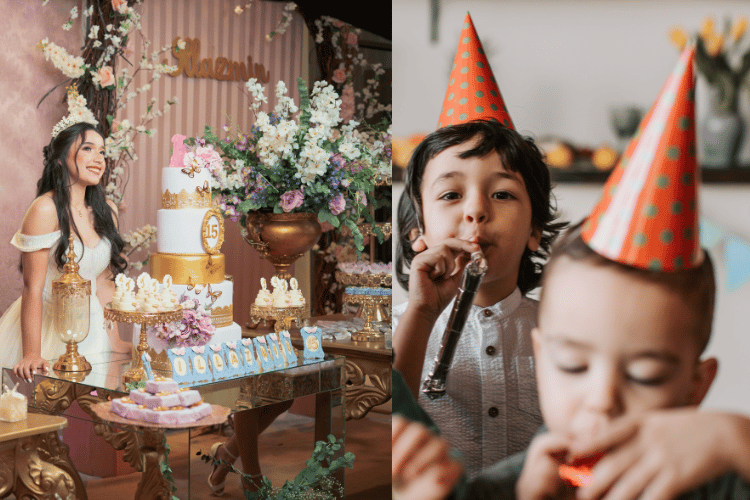
Your kids party should be the highlight of the year, right? Cake, games, sugar rushes and a house full of happy kids… But if your child is autistic, has ADHD or struggles with sensory processing, that traditional birthday formula is less of a celebration and more of a recipe for a massive meltdown. Planning a neurodivergent-friendly party doesn’t mean you have to throw out the fun and host a boring afternoon…you just need to make things thoughtful, predictable and low-pressure.
If you want to host a brilliant, inclusive bash where every little guest actually wants to stay until the end, here is how to make it happen:
Ditch traditional venues
We’ve all been to those neon-lit trampoline parks or multi-level soft play centres. They’re a sensory minefield… the echo alone is enough to set anyone on edge. When you're looking for a venue, you want a space where you can control the environment. Try village halls, woodland walks, park picnics or schoolyards (with permission). The open air naturally dampens noise; there are no echoing walls…and nature offers its own grounding effect.
Don’t surprise them
While some kids love a big reveal, many neurodivergent children find unpredictable changes anxiety-inducing. Fear of the unknown can ruin the anticipation of a party, so give them a roadmap. Try sending out a quick social story with your invitations. It doesn't need to be anything fancy - just a couple of smartphone photos of the venue and a basic running order. On the day, write this schedule up on a whiteboard where everyone can see it. Crossing off each activity as you finish it gives anxious little minds a massive sense of security.
Build an escape plan
Even with the best planning, a party is still a lot to take in. One of the kindest things you can do is create a designated ‘chill-out zone' entirely separate from the main action. Find a quiet corner of the room or pop up a small play tent and fill it with:
- A bunch of cosy cushions or a beanbag
- A couple of pairs of ear defenders or noise-cancelling headphones
- A basket of pop-its, fidget spinners and simple picture books
Make it clear to everyone that this isn't a naughty corner or a time-out space; it’s just a fun place for any kid who needs a little me time to relax.

Focus on open-ended play
Highly structured games with rigid rules and elimination (like Pass the Parcel or Musical Chairs) can cause a lot of distress to neurodivergent kids. (Who likes being called out in front of a crowd anyway?) Instead, set up a few different activity stations around the room and let the kids drift between them at their own pace:
- Sensory Trays - Large plastic tubs filled with coloured dry rice, water beads or kinetic sand.
- The Lego Zone - A big rug covered in building blocks. It’s perfect for parallel play, where kids can happily sit side-by-side and interact without the pressure of forced conversation.
- Simple Crafts - Decorating biscuits, painting small birdhouses or making simple bead bracelets can provide quiet concentration time.
Keep the food simple
Food anxieties and sensory differences often go hand-in-hand too. Strong smells, mixed textures or different foods touching on a plate are stressful to a selective eater. Skip the pre-made sandwiches and instead serve things buffet-style or in individual muffin tins so nothing touches. Stick to plain, recognisable classics like chicken nuggets, crisps, cucumber sticks, carrot spears, berries and fruit slices. And don’t be offended if a parent brings a packed lunchbox specifically for their child. In fact, encourage it on the invite! That could take the pressure off for specific dietary requirements.
And don’t forget that putting together an inclusive party is miles easier when your suppliers just ‘get it’. When you’re browsing listings on Kids Party Finder, don’t be afraid to ask potential entertainers or suppliers about their experience with neurodivergent children.